

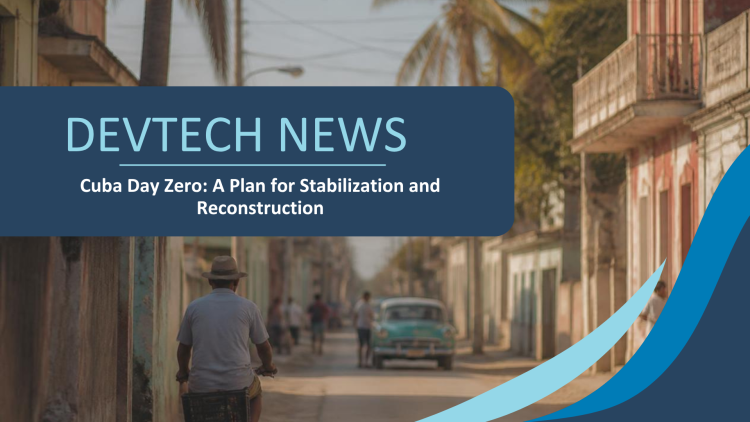
Cuba faces a profound economic and humanitarian crisis. The country’s electrical grid is failing, essential services are under severe strain, and shortages of food, fuel, and other necessities threaten further instability. At the same time, Cuba lacks access to the multilateral financing that historically supported other post-communist transitions. Without preparation, a political transition could therefore bring further economic disruption at precisely the moment Cubans need stability most.
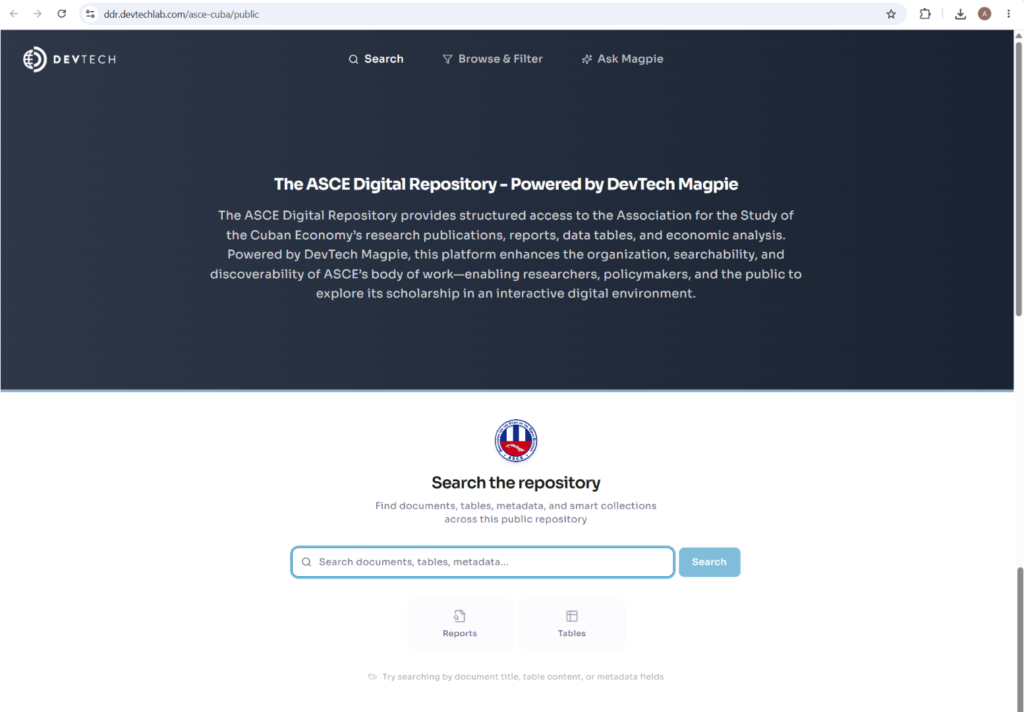
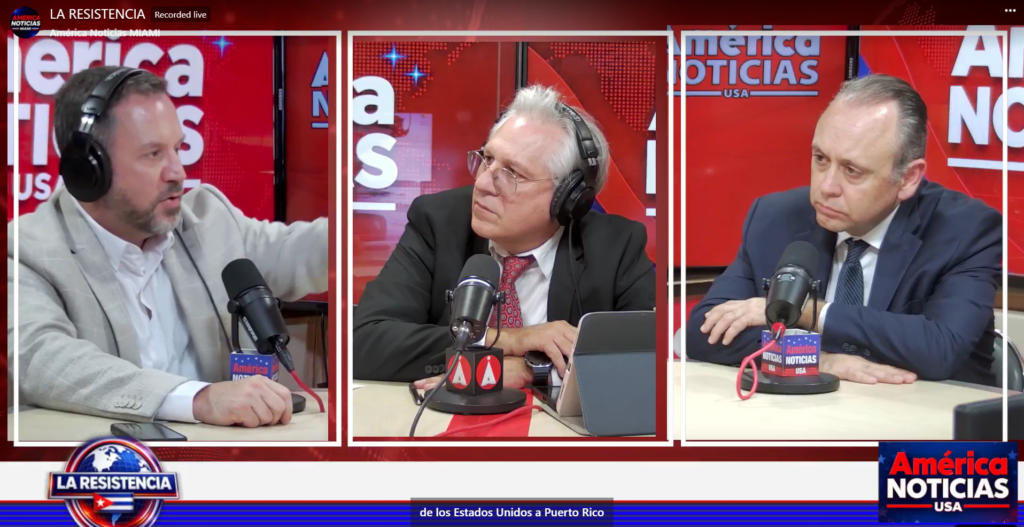
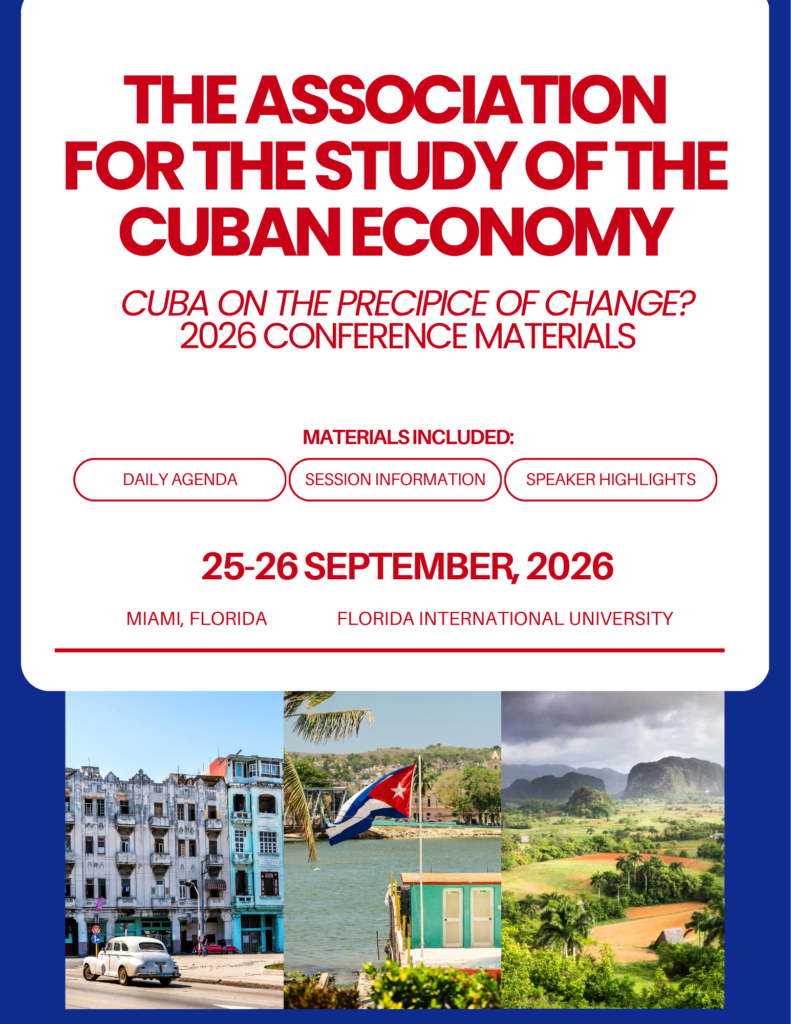
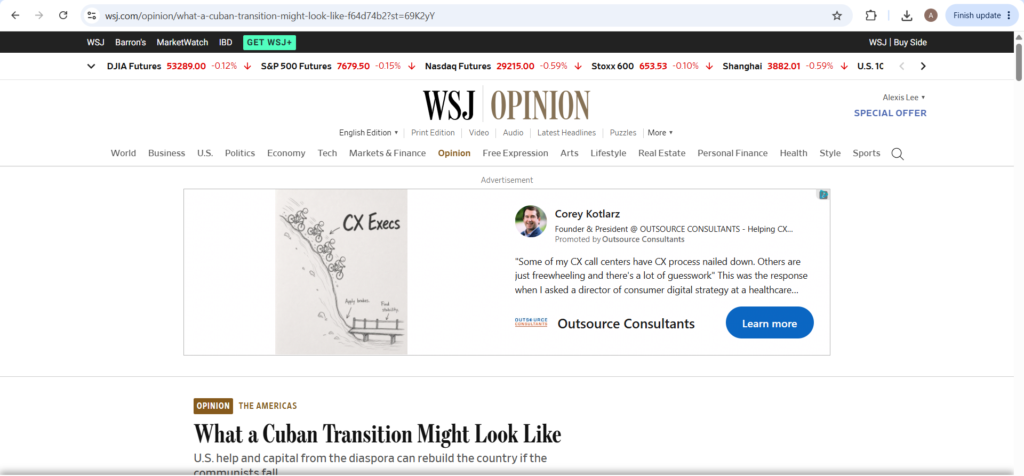
Rafael Romeu, Ph.D., CEO of DevTech and President of the Association for the Study of the Cuban Economy, has spent decades studying the Cuban economy and considering what a successful transition could require. Drawing on this experience, Romeu has developed a structural and financial framework for “Cuba Day Zero,” which involves preparation before a transition occurs rather than improvising afterward. A credible plan for the day after is crucial to removing corrupt Cuban insiders.
The plan rests on three pillars: Institutional Change, Emergency Stabilization, and Long-Term Reconstruction.
- Institutional Change would establish the rule of law, secure property rights, and create the legal certainty necessary to unlock Cuban diaspora capital and investor confidence.
- Emergency Stabilization would use existing U.S. resources and authorities to address immediate needs such as electricity, food, essential government services, and currency stability.
- Long-Term Reconstruction would then mobilize diaspora and private-sector investment, supported by U.S. financing, insurance, and other tools, to rebuild Cuba’s economy and infrastructure.
Central to Romeu’s framework is the need for credibility from Day One. Cuba’s reconstruction cannot depend on uncertainty or improvisation. Investors and the Cuban diaspora need a transparent, legally enforceable framework that protects legitimate property claims, excludes corrupt insiders, and provides confidence that investments will be secure.
The choice, Romeu argues, is between preparing now for an orderly transition or attempting to manage chaos later. A credible plan will help protect the Cuban people, preserve essential institutions, and create the conditions for investment, reconstruction, and long-term growth.
See more about Romeu and DevTech’s work with Cuba: